Autumn hues fill the garden, lakes and mountains like a painting. To deepen international students' understanding of Chinese history and culture and promote cross-cultural exchange, our college organized students from the English-taught degree programs and exchange programs to visit Wuxi—the Pearl of Lake Tai—on October 25, 2025, for an autumn research-based learning activity. Nearly 50 international students from China, Russia, South Korea, Japan, France, Italy, Slovakia, Brazil, and other countries enthusiastically participated in this event. Together, they explored Wuxi's cultural heritage and natural beauty amidst the autumn charm of Jiangnan.
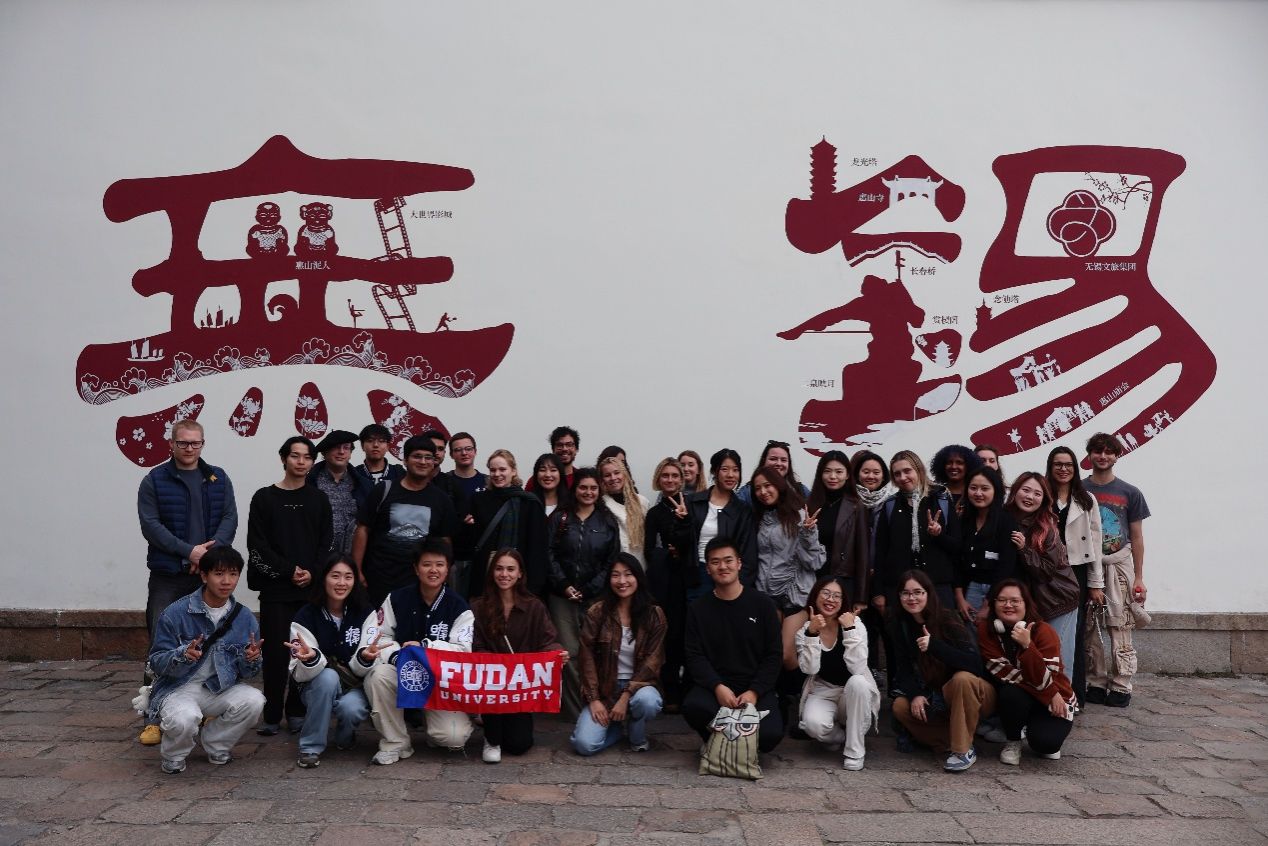
At dawn, everyone boarded the coach with anticipation, their morning weariness gradually giving way to excitement. Guided by a local Wuxi tour guide, the international students not only learned about the modern development history of Yuantouzhu—a garden complex established since 1918 by prominent figures like Yang Hanxi—but also delved into the origins of Wuxi's name. They explored the historical connection between the city and its tin ore resources, uncovering the story behind the saying “Wuxi, where the mountains hold tin.”
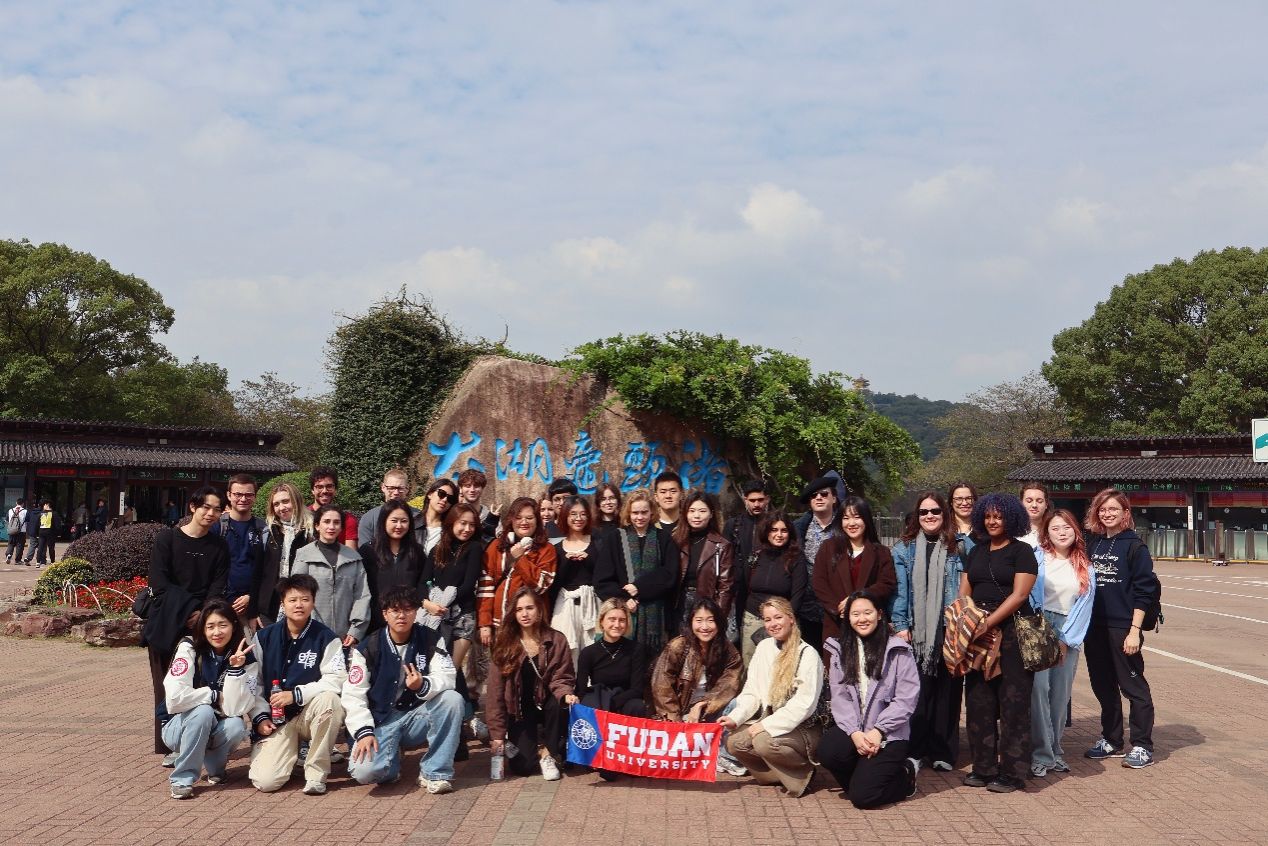
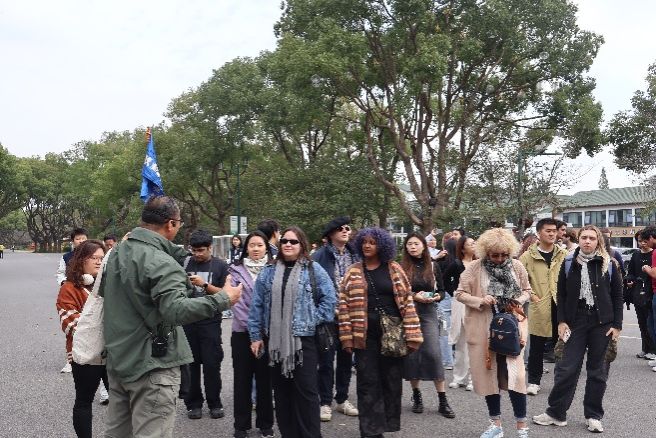
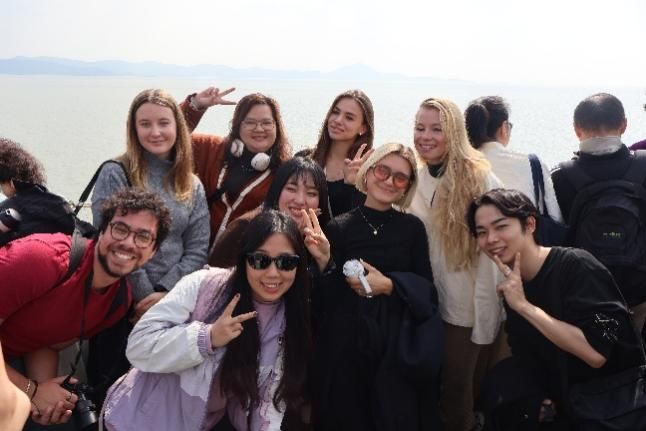
The students first arrived at Yuantouzhu, hailed as the “premier scenic spot on Lake Tai.” Its name originates from the peninsula's natural wonder, resembling a giant turtle raising its head into the lake. This place is not only a natural wonderland but also carries a thousand years of cultural heritage. Guided by the tour leader's narration, the students strolled along the lakeshore and paused before the cliff inscription bearing the words “Encompassing Wu and Yue,” contemplating the vast embrace of Taihu Lake in nurturing the Wu and Yue civilizations. The group then boarded a ferry bound for Taihu Fairy Island. As the boat glided across the emerald waters, distant mountains appeared like ink strokes against the horizon, where sky and water merged into one.
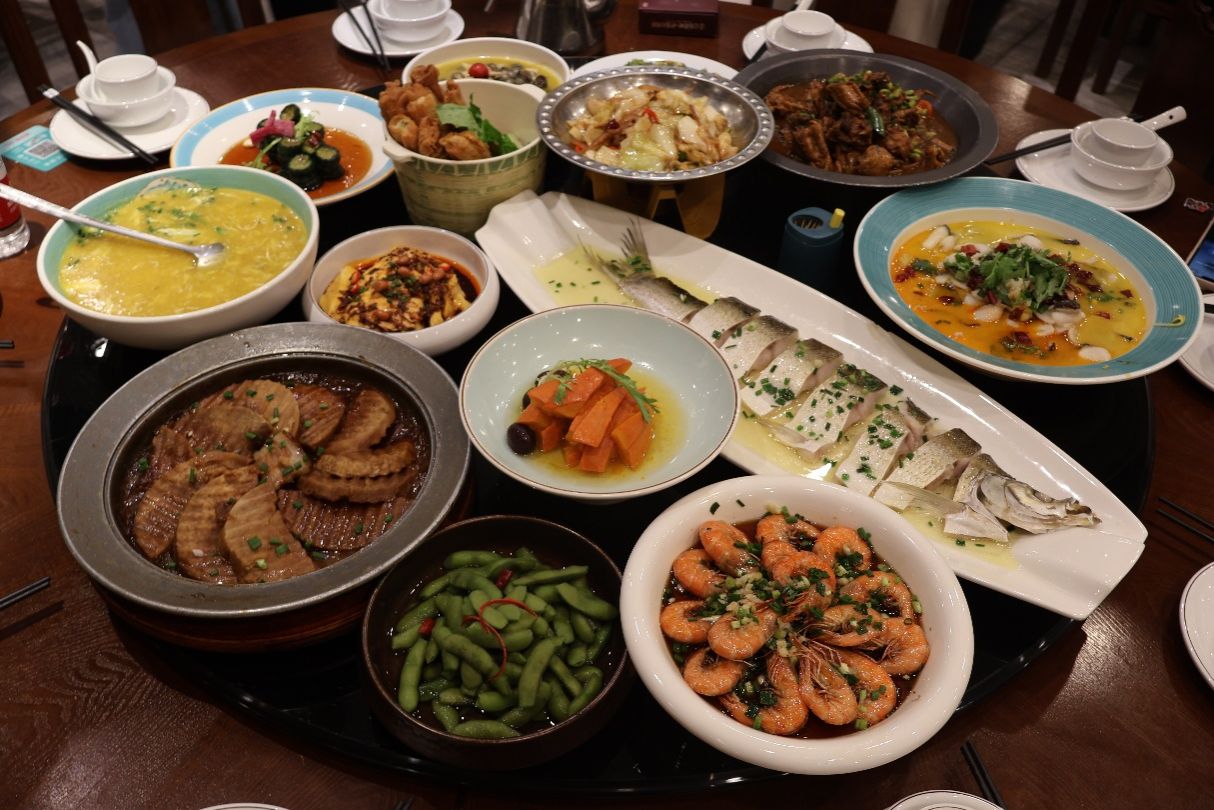
At noon, students from various countries gathered at a local restaurant to savor authentic Wuxi cuisine. The fragrant taro in stone pot was crispy on the outside and tender on the inside, the crab roe soup was rich and savory, and the Taihu white fish showcased its pure, natural flavor. Through these dishes, the students gained a deep appreciation for the refined authenticity of Jiangnan culinary culture. Around the table, they discussed the unique characteristics of each dish. Lisa, a Russian student, couldn't help but exclaim, “Wuxi cuisine is absolutely delicious! It lets me experience the beauty of China through my taste buds. I want to try even more Chinese delicacies!”
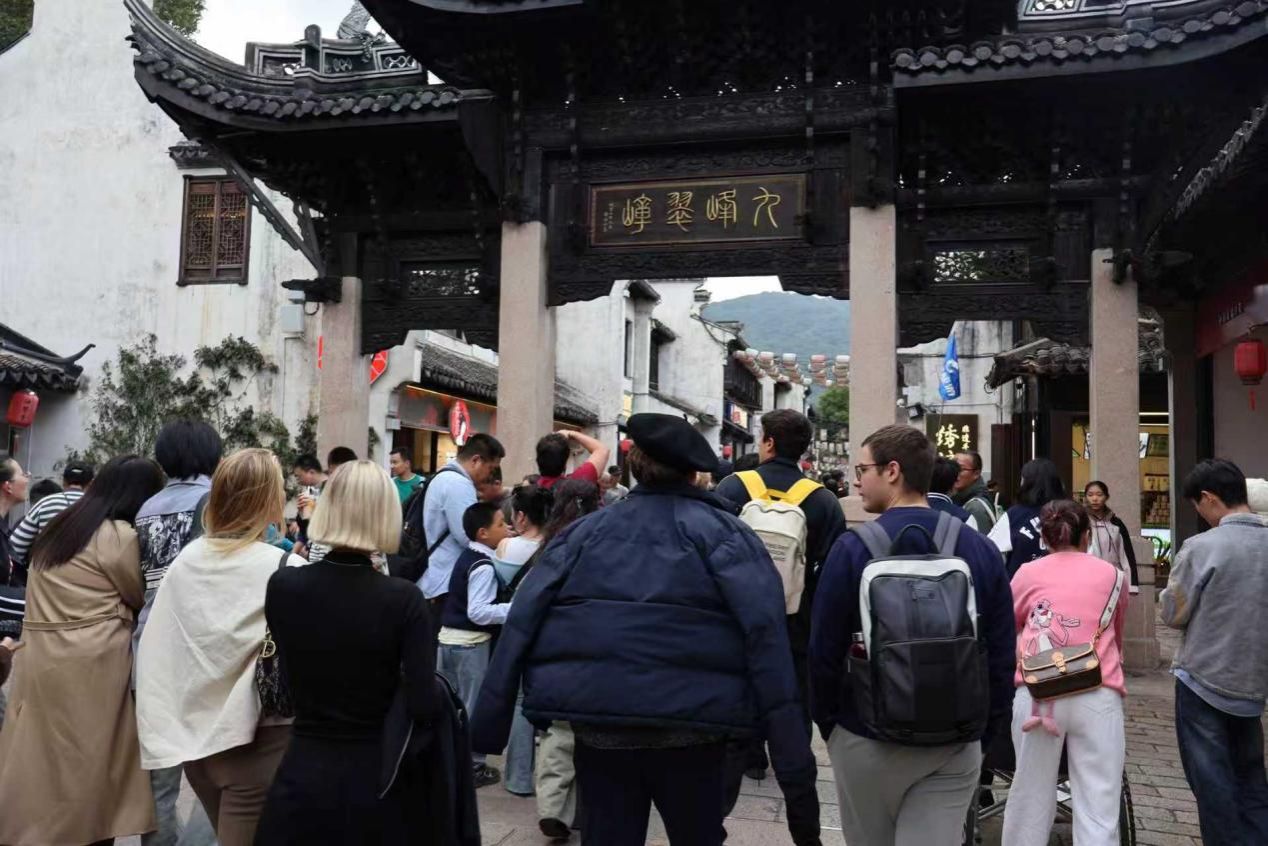
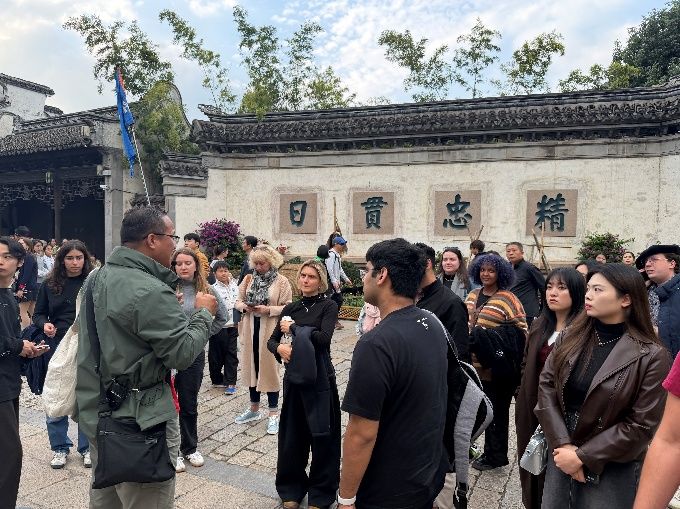
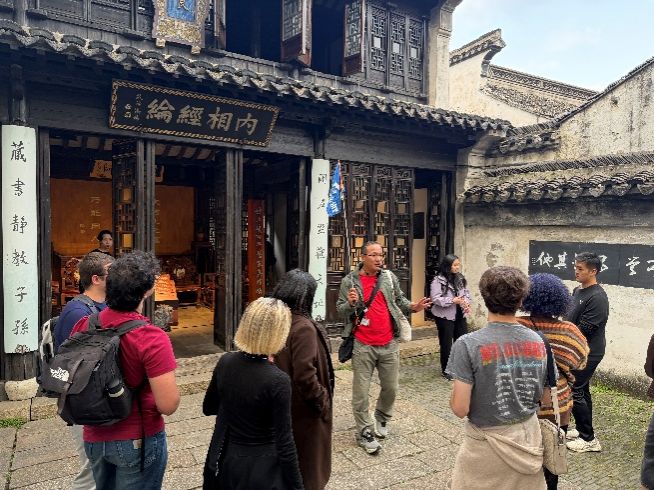
In the afternoon, the team continued their exploration into Huishan Ancient Town, known as an “open-air historical museum.” Here, over 120 ancestral halls spanning the Tang, Song, Ming, and Qing dynasties densely cluster, representing more than 80 surnames and serving as a living fossil of China's ancestral hall culture. Students freely explored representative structures like the Fan Wenzheng Ancestral Hall and Li Ancestral Hall. Through the stele inscriptions, genealogies, and architectural layouts within these halls, they gained insights into ancient Chinese clan systems, the culture of loyalty and filial piety, and social structures. Along Huishan Creek Water Street in the ancient town, students experienced the quintessential water town landscape of “small bridges, flowing water, and homes.” They sampled local delicacies like tofu pudding and twisted dough twists, immersing themselves in the unique charm of a Jiangnan ancient town.
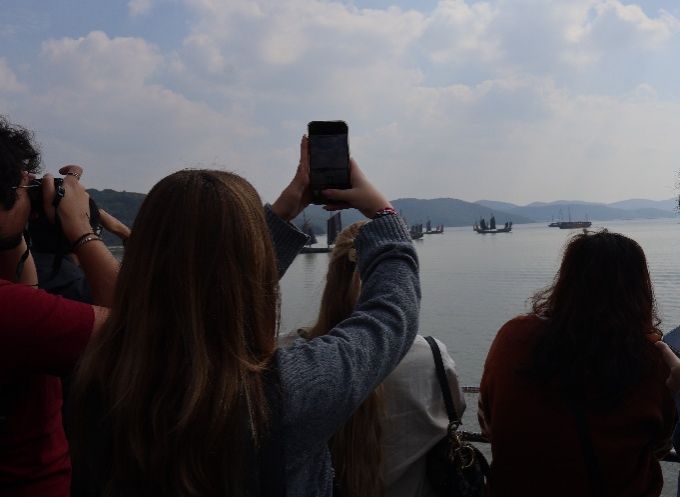
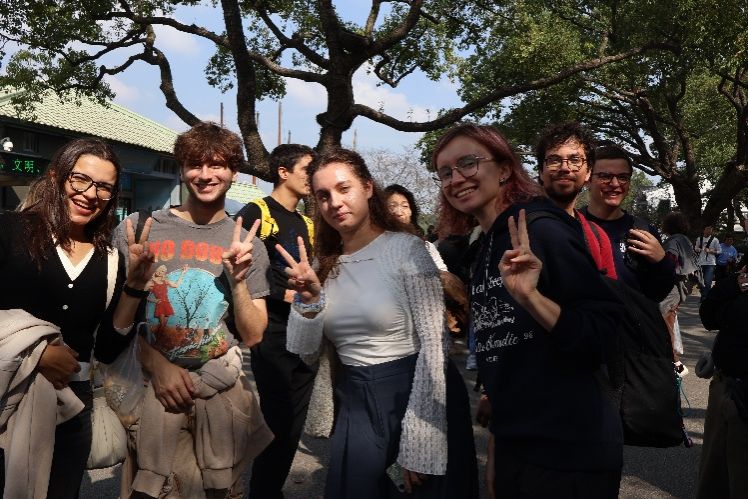
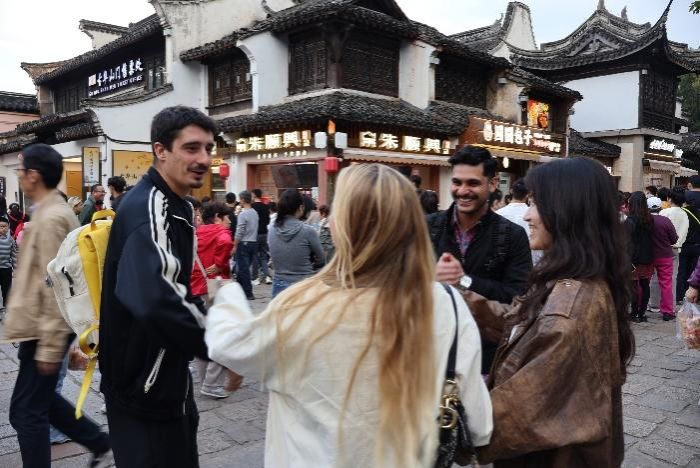
As the sun dipped below the horizon, the lake and mountains were bathed in the golden glow of late autumn. The international students began their journey home, yet the souvenirs in their hands, the photos captured by their cameras, and the memories etched in their hearts had become a fresh starting point for understanding and sharing China's stories. Centered on the historical and geographical development of the Yangtze River Delta region and infused with the essence of Jiangnan culture, this event guided students to explore the enduring legacy of Chinese civilization within a global context. Moving forward, the college will continue to foster immersive multicultural learning experiences, cultivating cross-cultural ambassadors who understand and champion China while embracing a global perspective through profound cultural engagement.